
Less Pressure. More Progress.
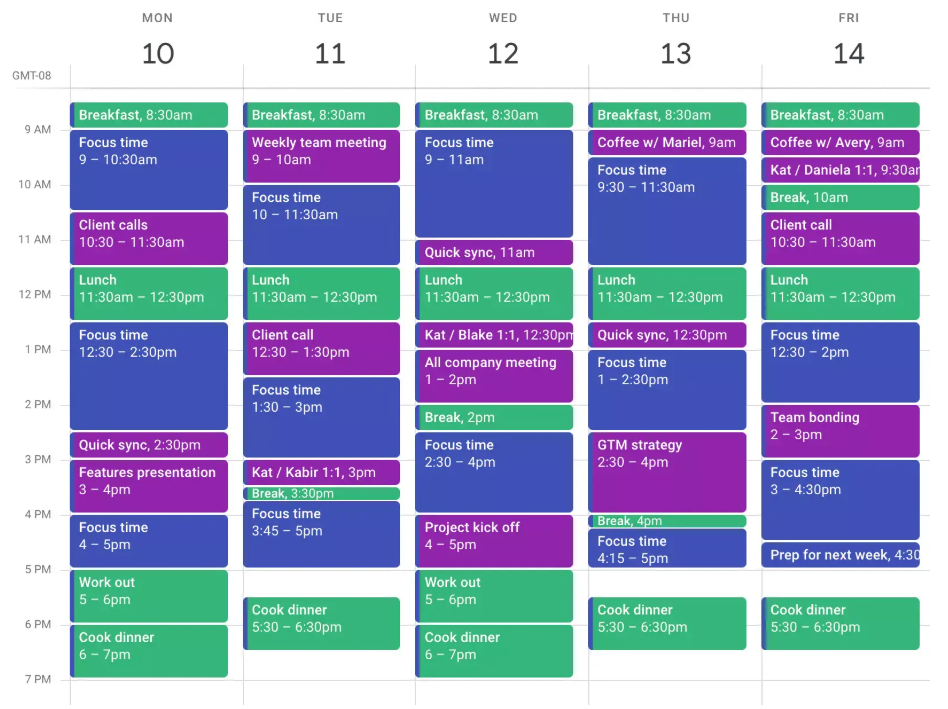
If you’ve ever reached the end of the day wondering where your time went, you’re not alone. Constant notifications, endless to-do lists, and unexpected interruptions make it difficult to stay focused. That’s where time blocking comes in.
Time blocking is one of the simplest and most effective productivity methods for organizing your day with intention. Instead of working from a long checklist, you assign specific blocks of time to each task. This helps you focus on one thing at a time, reduce distractions, and make steady progress toward your goals.
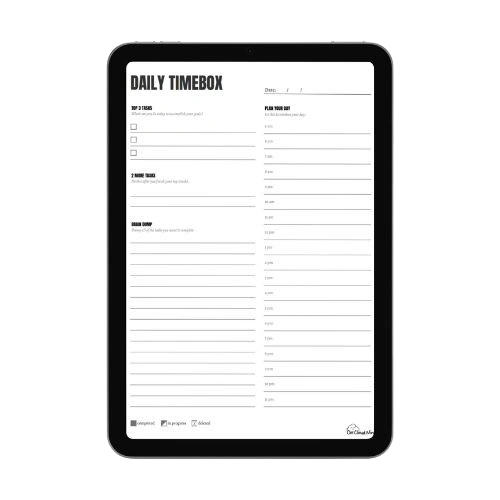
Our Free Time Blocking Planner is designed to help you put this method into practice immediately. Whether you use it digitally in GoodNotes or Notability, or print it at home, it’s an easy way to build a more intentional daily routine.
Time blocking is a planning technique where you divide your day into dedicated time slots. Each block is reserved for one specific activity, such as work, studying, exercise, meals, or relaxation.
For example:
Instead of constantly deciding what to do next, your schedule already tells you. This reduces decision fatigue and makes it easier to stay focused throughout the day.
Many entrepreneurs, students, freelancers, and professionals use a time blocking planner because it helps prioritize meaningful work instead of simply reacting to whatever appears next.
Although the terms are often used interchangeably, they’re slightly different.
Time Blocking focuses on assigning specific periods in your day to planned activities. It answers the question:
“What will I work on during this time?”
Timeboxing goes one step further by giving each task a strict time limit. Instead of working until something feels finished, you stop when the allocated time is over.
For example:
Many productivity experts combine both methods because they encourage focus while preventing perfectionism and burnout.
One of the biggest reasons people struggle with productivity is multitasking. Switching between emails, messages, meetings, and important work makes it difficult for your brain to fully concentrate.
Time blocking encourages single-tasking, allowing you to give your full attention to one activity before moving on.
Some of the biggest benefits include:
When every task has its own place in your schedule, you spend less time deciding what to do and more time actually doing it.
The beauty of time blocking is that it works for almost everyone.
A daily planner template can be especially useful if you are:
Whether you’re planning your workday or your personal routine, a productivity planner helps you stay intentional with your time.
If you’re new to time blocking, start simple. You don’t need to schedule every minute of your day.
Here are a few tips:
Remember that your planner is meant to guide you, not control you. Flexibility is part of a sustainable productivity system.
Ready to take control of your schedule?
Download our Free Time Blocking Planner and start organizing your days with clarity and intention. The planner is available as a printable PDF and works perfectly with popular note-taking apps like GoodNotes, Notability, and other digital planning tools.
Whether you’re managing work, school, personal projects, or daily routines, this free time blocking planner template helps you stay focused, reduce overwhelm, and make the most of every hour.
Small changes in how you plan your day can lead to big improvements in productivity—and it all starts with a single time block.
Looking for a simple way to organize your day without feeling overwhelmed?
This Free Daily Planner Template combines the power of time blocking and timeboxing to help you plan your schedule, stay focused, and complete your most important task with intention.
Whether you use Notion, your favorite note-taking app, or prefer printing your planner, this minimalist template adapts to the way your work.
Best of all – it’s completely FREE.

